
The sight of a dog sleeping with their tongue hanging out is amusing. While it often elicits smiles from humans, there’s the question of whether this behavior is a cause for concern. In this article, we delve into the reasons why dogs sleep with their tongues out and whether or not it warrants any worry.
Let’s get started!
Why Do Dogs Sleep With Their Tongue Out?
Dogs sleep with their tongues out for various reasons. One common explanation is they’re in deep sleep with their muscles relaxed, including the tongue. Or some dogs may naturally sleep with their tongues out. In most cases, it’s a harmless and adorable quirk. But let’s take a deeper dive into why dogs sleep with their tongues out and when it might be cause for concern.
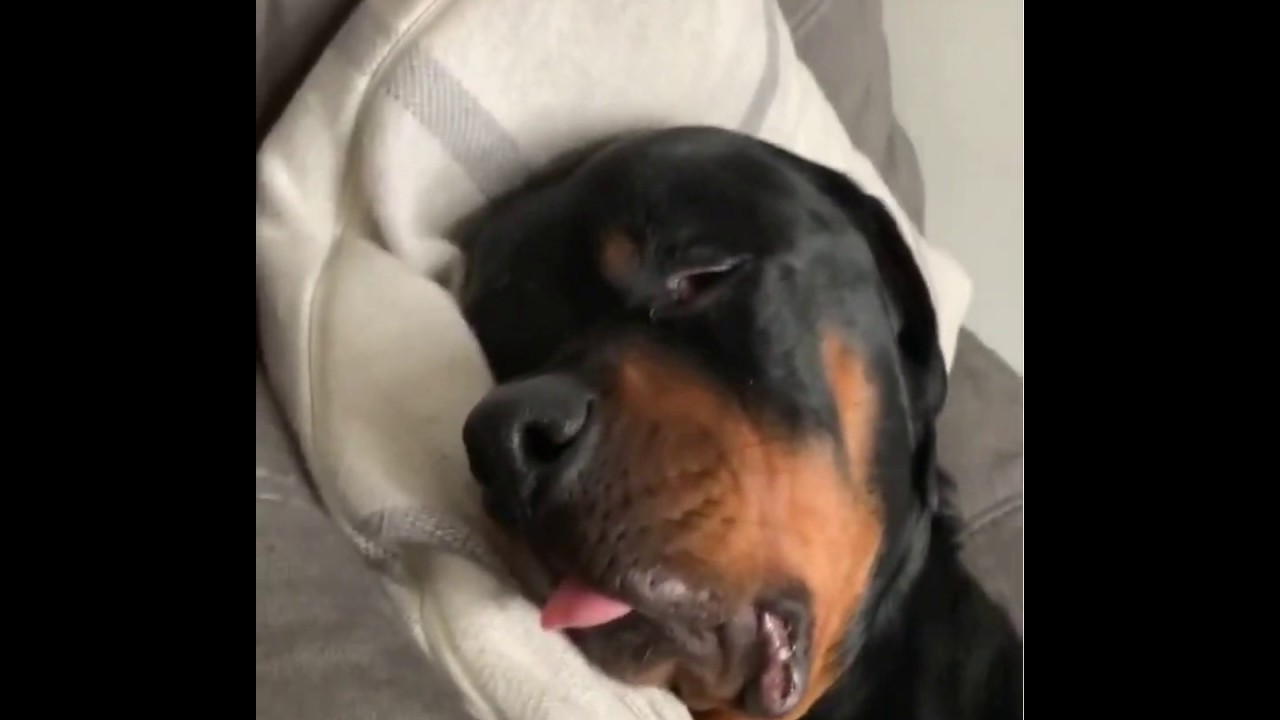
You Can Tell A Lot From Your Dog’s Tongue-Out Behaviors
A dog’s tongue-out behaviors can reveal information about their emotions and health. Their tongue helps them communicate with the world. Canines use their tongues for things like regulating body temperature through panting, tasting and exploring their environment, and licking things to calm themselves. For example, when a dog’s tongue hangs out during play or exercise, it often means they’re cooling down and getting rid of excess heat. However, a consistently hanging out tongue can also be a sign of dental issues.
Paying attention to your dog’s tongue-out behaviors can provide valuable clues to their health. Let’s look at some examples.
Taste & Smell
Dogs decide whether or not to eat something based on smell versus taste. But their tongues still play a vital role. Canines have around 1,700 taste buds, which helps them taste bitter, salty, sweet, and sour. However, they have significantly fewer taste buds than humans, therefore they rely on smell more. For example, has your dog ever licked lotion off your hands? It’s probably because it smells good and not for the taste.

Cooling Down
Dogs pant to cool down. The behavior, called thermoregulation, makes air move through their lungs and mouth and over their tongue, which causes moisture to evaporate and cool the body down. Since dogs only have sweat glands in their paw pads and noses, panting is crucial to regulate temperature. Just remember, if your dog is panting a lot on a hot day, cool them down to avoid heatstroke.
Pro Tip: Add some cool dog beds to your supplies for hot days.
Nervousness (Anxious Panting)
When a dog’s tongue is out paired with anxious panting, it can mean nervousness or anxiety. Anxious panting is characterized by rapid and shallow breaths. The extended tongue helps cool your dog down in response to an increased heart rate. In situations that trigger stress, such as loud noises, a dog may exhibit this behavior. Providing a calm and loving environment will help your pup.
Contentment and Relaxation
Your dog may have their tongue out when content or relaxed. They often exhibit this behavior after moments of play, exercise, or when feeling secure and at ease. The relaxed tongue hanging out is a sign that your pup is chilled out. In moments of deep contentment, they might even fall asleep with their tongue casually hanging out. This adorable gesture reflects a state of utter peace and trust that they’re safe.
Dental History
If your dog’s tongue is hanging out it could be related to their dental history, especially if teeth have been removed. When a canine has dental procedures or loses teeth due to age, injury, or disease, it may impact the tongue’s ability to be held within the mouth correctly. In the absence of certain teeth, the tongue might not have the same support structure and could stick out more easily. This is usually noticeable when your dog is at rest. While a slightly protruding tongue doesn’t necessarily indicate any health concerns, it’s essential to observe your dog’s tongue-out behaviors and contact your vet if there are any changes.

Should You Let Your Dog Sleep With Tongue Out?
Allowing your dog to sleep with their tongue out is generally nothing to worry about. You don’t need to push it back in or wake them up. In fact, a dog’s tongue is a sensitive organ. Pushing it back in or waking them up to adjust it may disrupt their rest and stress them out.
You might also wonder if the tongue could dry out, dogs are naturally equipped to manage their oral health. Canine tongues are covered in saliva, which helps prevent too much dryness.

When To Be Concerned About Dog Sleeping With Tongue Out
As I said, there’s usually nothing to worry about when your dog sleeps with their tongue out. Many dogs sleep with tongues out all the time. However, if the following conditions occur, we recommend contacting your vet to get their opinion on any actions that should take place.
Color Changes
If there are noticeable color changes to your dog’s tongue, this could be a red flag. A healthy dog’s tongue is usually a pink hue, varying slightly depending on the breed. If you observe any significant color changes, such as a bluish or pale tint, it could mean a lack of oxygen or circulation problems. Monitoring your pup’s tongue color and overall behavior during rest can be a valuable indicator of their health and provide an early warning system for potential issues.
Excessive Drool
Excessive drooling, abnormal swelling, or signs of distress while the tongue is out may point to underlying health issues in a dog. If you notice your dog experiencing an increase in drooling, it could mean dental problems, oral infections, or issues with the salivary glands. In some cases, it could be a sign of nausea, the eating of a toxic substance, or an underlying medical condition. Be sure to pay attention to any changes in your dog’s behavior, including their sleeping habits and drool patterns. If you observe symptoms that stick around, contact your vet.
Hanging Tongue Syndrome
Hanging Tongue Syndrome is a condition found in dogs where the tongue hangs out of the mouth beyond the normal range. This can occur due to neurological or anatomic defects. In some cases, smaller breeds, such as King Charles Cavaliers, or those with short muzzles may be more prone to this condition. It can lead to the tongue drying out more often and may cause discomfort. If your dog has Hanging Tongue Syndrome, it’s necessary to consult with your vet.
Suggested Reading: Learn if dogs really smile when they’re happy.

Check for Your Dog’s Little Tongue the Next Time They’re Asleep
Witnessing our furry friends peacefully sleeping with their tongues out is delightful. While tongue-dangling once in a while is generally normal, noticing any changes in your pup’s behavior is important. So, observe them the next time they’re asleep to make sure there’s nothing of concern.
Does your dog sleep with the tongue out? Share your experience in the comments below.
Stay Informed – Join the HypePets Community!
If you’re like us, your pets are like family. Stay up to date on the latest news, info, tips, and gear to help your pet live its best life!
